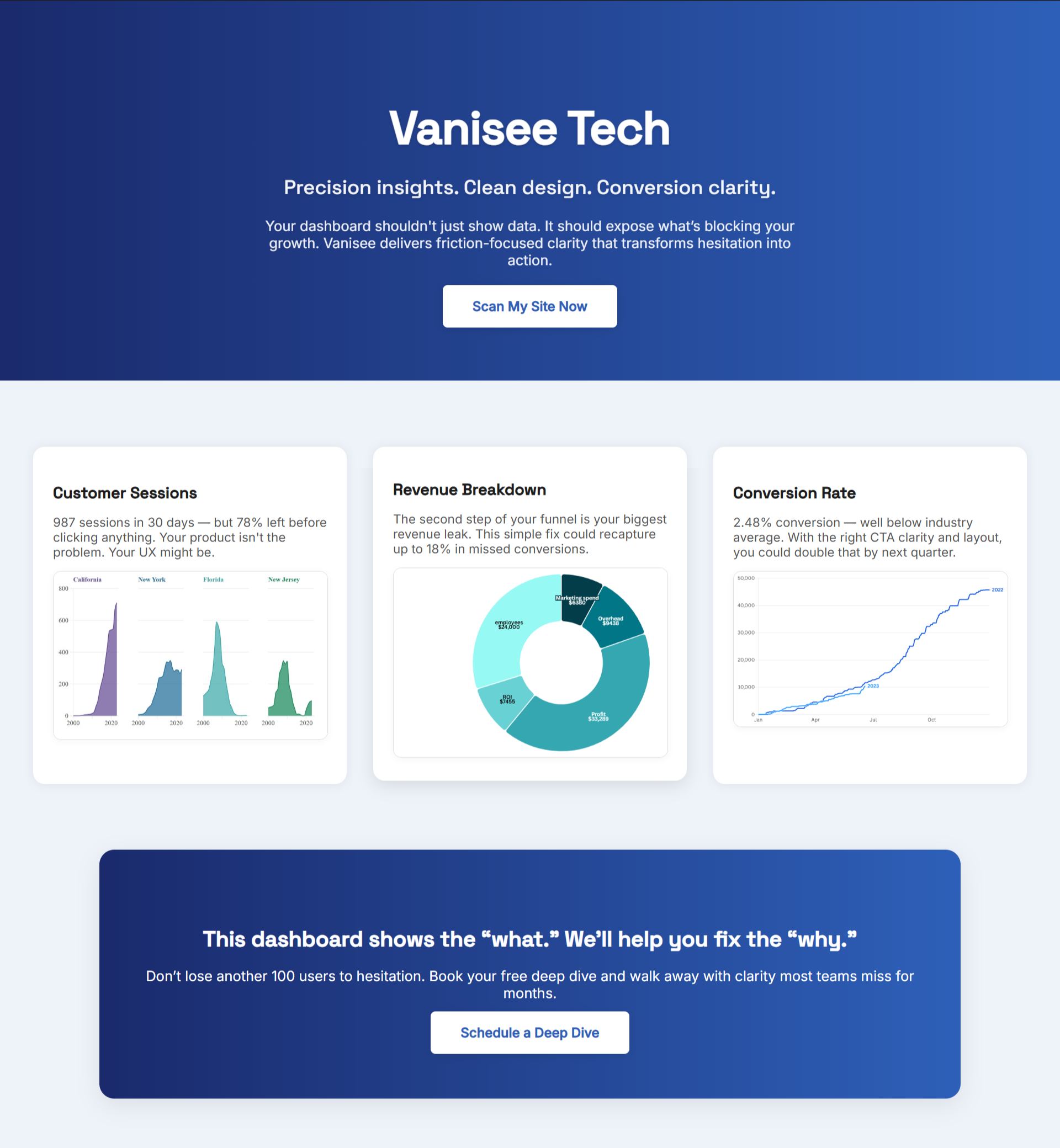
Twelve months into content strategy: organic traffic grew 340% from 6,200 to 27,000 monthly visitors. Content team published 87 blog posts targeting high-volume keywords in project management category. SEO dashboard showed 23 first-page rankings, domain authority climbing from DR 34 to DR 51, and consistent month-over-month traffic growth. Marketing presented results as proof content strategy delivered returns.
Trial signups from organic channel: flat at 110-130 monthly trials despite tripling traffic volume. Trial-to-paid conversion rate declining from 8.2% to 3.1% over same period. Customer acquisition cost from SEO increasing because visitors consuming content without evaluating product. Sales team questioning marketing's traffic quality after discovering most trials came from researchers gathering information rather than companies ready to implement solutions.
The keyword intent gap: Team optimized for search volume metrics rather than buyer intent signals. According to research from Ahrefs analyzing 3 million search queries, informational keywords generate 5-10x more search volume than commercial intent keywords but convert at 8-15x lower rates because searchers seek education rather than solutions. Content ranking for "what is project management" attracted 8,000 monthly visitors generating 12 trial signups while "project management software for agencies" drove 800 visitors creating 64 trials.
SaaS SEO targeting wrong keyword intent encounters mathematical conversion failure: increasing traffic from audience segment with near-zero purchase probability while ignoring smaller audience actively evaluating competing products. Blog post explaining project management concepts ranks well and drives visitors but readers want methodology knowledge, not software trials. Educational content serves legitimate purpose but shouldn't anchor SEO strategy expecting commercial returns.
Keyword intent determines traffic quality more than traffic volume predicts revenue outcomes. SaaS companies choosing which keywords to target decide whether organic growth builds sales pipeline or generates vanity metrics inflating dashboards while customer acquisition economics deteriorate.
"The aim of marketing is to know and understand the customer so well the product or service fits him and sells itself." — Peter Drucker
Why High-Volume Informational Keywords Attract Wrong ICP
SaaS content ranking for informational keywords attracts researchers seeking knowledge rather than buyers evaluating solutions. Search intent embedded in query structure reveals whether visitor wants education or product comparison, and intent mismatch creates traffic without conversion potential.
Informational queries follow recognizable patterns. Searchers ask "what is [category]" when seeking definitions, "how to [accomplish task]" when wanting methodology guidance, and "[topic] best practices" when looking for educational frameworks. They search "[category] guide" for learning resources and "benefits of [approach]" to understand conceptual advantages. These queries signal learning intent rather than purchase consideration.
Commercial intent queries reveal active solution evaluation. Searchers specify "[category] software for [use case]" when researching tools for specific needs, and "best [tool type] for [industry]" when comparing options within their vertical. They search "[product type] alternatives" during competitive analysis, "[tool] vs [competitor]" when making purchase decisions, and "[software category] pricing" when entering the buying stage. These query structures indicate readiness to evaluate and potentially purchase products.
The search volume trap creates misleading optimization incentives. Informational queries generate 5-10x more monthly searches than commercial intent keywords in most SaaS categories, making them appear more valuable in keyword research tools. Content team sees "project management guide" showing 12,000 monthly searches versus "project management software comparison" at 1,400 searches and defaults to higher volume target without considering conversion probability differences.
Research from BrightEdge analyzing B2B software purchase journeys found 71% of software buyers begin research with informational queries but 89% of actual purchases originate from commercial intent searches during later evaluation stages. Informational content plays role in awareness phase but commercial content drives conversion decisions. SaaS companies concentrating SEO investment on informational keywords optimize for awareness metrics while missing buyers actively comparing solutions.
Example keyword intent analysis:
Keyword: "project management methodology comparison"
- Monthly searches: 2,400
- Search intent: Informational (comparing methodologies, not software)
- Typical visitor goal: Learn Agile vs Waterfall differences
- Trial signup likelihood: 0.3-0.8%
- ICP match: Poor (methodology students, not software buyers)
Keyword: "project management software for remote teams"
- Monthly searches: 890
- Search intent: Commercial (evaluating tools for specific use case)
- Typical visitor goal: Find software solving remote collaboration problems
- Trial signup likelihood: 6.8-11.2%
- ICP match: Strong (companies managing distributed teams)
Despite methodology comparison keyword driving 2.7x more traffic, software-specific keyword generates 10-15x more qualified trials because search intent aligns with product evaluation rather than concept learning. Traffic volume optimization without intent analysis creates growth theater where visitor numbers increase while pipeline contribution stagnates.
How Content Topic Choice Determines Trial Quality Not Just Volume
SaaS content topics attract distinct audience segments with different purchase timelines and product evaluation readiness. Topic selection determines whether organic traffic consists of early-stage learners versus late-stage buyers actively comparing solutions.
Early-stage educational topics serve awareness-building purposes. These include category definitions and explainers, best practices and methodology guides, industry trend analysis, problem identification frameworks, and conceptual overviews. Readers consuming this content typically haven't progressed to solution evaluation yet.
Late-stage evaluation topics attract buyers ready to make purchase decisions. Tool comparisons and alternatives, implementation guides specific to use cases, pricing and ROI calculators, integration capabilities and technical specifications, and migration and onboarding processes all signal buyers actively comparing vendors. These readers have identified their problem and now seek the right solution.
Content strategy weighted toward early-stage topics builds awareness but fails pipeline contribution because readers haven't reached solution evaluation phase. According to Gartner research on B2B buying behavior, software buyers spend 27% of purchase journey in independent research but majority of research time occurs after problem recognition when buyers actively compare solutions rather than during initial problem awareness.
SaaS company targeting project management category publishes content distribution:
- 45% educational content (methodologies, best practices, guides)
- 30% thought leadership (industry trends, future predictions)
- 15% use case content (specific implementation scenarios)
- 10% comparison content (tool evaluations, alternatives)
Traffic and conversion results:
- Educational content: 18,000 monthly visitors, 54 trial signups (0.3% conversion)
- Thought leadership: 6,200 visitors, 12 trials (0.19% conversion)
- Use case content: 2,100 visitors, 147 trials (7% conversion)
- Comparison content: 1,400 visitors, 126 trials (9% conversion)
Despite educational and thought leadership content driving 80% of organic traffic, use case and comparison content generated 90% of trial signups. Content team optimizing for traffic volume rather than conversion contribution allocated resources inverse to revenue impact.
Research from Demand Gen Report analyzing content performance found use case and comparison content convert at 8-12x higher rates than educational content in B2B software categories because readers consuming practical implementation guidance have already progressed past awareness into active evaluation. Educational content serves top-of-funnel purpose but shouldn't dominate SEO investment expecting commercial returns.
The topic selection framework determining ICP quality:
High-volume, low-conversion topics (awareness stage):
- Attract curious learners and students
- Generate social shares and backlinks
- Build domain authority and brand awareness
- Convert trials at 0.2-0.8% rates
- Visitors lack budget authority or implementation timeline
Lower-volume, high-conversion topics (evaluation stage):
- Attract active solution evaluators
- Generate fewer social signals but higher engagement depth
- Build qualified pipeline and trial signups
- Convert trials at 6-12% rates
- Visitors possess budget authority and near-term implementation plans
SaaS companies achieving sustainable SEO growth balance awareness content building authority with evaluation content driving conversions. Pure awareness optimization creates traffic growth disconnected from revenue outcomes.
The Search Intent Mismatch Between Content Promise and Product Reality
SaaS content attracting visitors through educational promises but presenting product trials encounters intent violation driving immediate abandonment. Content-to-product transition gap occurs when blog post addressing informational query includes trial CTA misaligned with reader's research stage.
When someone searches "project management best practices," they expect methodology guidance and implementation frameworks. But when the content suddenly presents a trial CTA saying "Start free trial of our product," the reader feels tricked. They came for education, got a sales pitch, and typically consume the helpful parts while ignoring the CTA entirely before leaving.
The same pattern happens with "how to improve team collaboration" searches. Readers want collaboration improvement strategies, but encounter CTAs like "See how our product improves collaboration - Try free." Since they're researching general approaches rather than evaluating specific tools, they dismiss the product mention as promotional noise.
This conversion friction occurs because the content attracted visitors with an educational value proposition but attempted conversion with a commercial action request. According to research from Content Marketing Institute, promotional CTAs in educational content reduce engagement by 34-58% compared to educational CTAs like downloadable guides or related articles because readers perceive the approach as bait-and-switch rather than genuine value delivery.
In contrast, properly aligned transitions work naturally. When someone searches "project management software for agencies," they want software comparisons for their specific use case. Content delivering agency-focused comparisons with a CTA saying "Compare our features for agencies - Start trial" matches their intent perfectly. They review the comparison, then click the trial to test the product themselves.
Similarly, "best collaboration tools for remote teams" searchers expect tool evaluations for remote work scenarios. Content addressing remote collaboration with a CTA like "Try our remote collaboration features free" facilitates their comparison process. They complete their research across multiple candidates, then trial the top options including your product.
Content targeting commercial intent keywords creates natural trial CTA opportunities because readers arrived seeking product evaluation rather than pure education. Educational content serves different strategic purpose and shouldn't carry identical conversion expectations.
Research from HubSpot analyzing millions of blog posts found commercial intent content generates 6.2x more trial signups per visitor than educational content not because commercial content attracts more traffic but because search intent aligns with product evaluation making trial offers relevant rather than interruptive.
Why Keyword Volume Metrics Mislead SaaS Content Strategy
SEO keyword research tools prioritize search volume as primary metric creating systematic bias toward high-traffic, low-conversion keywords. Volume-first optimization generates impressive traffic dashboards while pipeline contribution remains weak because most volume concentrates in awareness-stage queries.
Keyword research tool default rankings:
- Monthly search volume (primary sorting metric)
- Keyword difficulty score (ranking competitiveness)
- Cost-per-click estimate (paid advertising value)
- Search trend direction (growing vs declining)
- Related keyword suggestions (volume-based)
Missing from default metrics:
- Commercial intent strength
- Typical conversion rates by intent category
- Buyer journey stage alignment
- ICP match probability
- Revenue per visitor estimates
Content teams using keyword tools without intent analysis optimization see "email marketing tips" (14,000 searches) outranking "email marketing software for ecommerce" (1,100 searches) in prioritization despite conversion potential inverting volume relationship. Tool presents volume-based recommendation, team targets high-volume keyword, content ranks well, traffic increases, trials remain flat.
According to Ahrefs research analyzing 920,000 domains, websites ranking for high commercial intent keywords generate 4-7x more revenue per visitor than sites ranking for equal traffic volume from informational keywords. Revenue optimization requires intent-weighted keyword selection rather than pure volume maximization.
Intent-adjusted keyword prioritization framework:
Traditional volume-first scoring:
- Keyword volume × (1 - difficulty score) = priority score
- Result: High-volume, low-difficulty keywords top priority list
- Outcome: Traffic growth without conversion improvement
Intent-adjusted scoring:
- (Keyword volume × commercial intent score × trial conversion rate) ÷ difficulty = priority score
- Result: Moderate-volume, high-intent keywords rise in priority
- Outcome: Traffic growth aligned with trial signup increases
Example comparison:
Keyword A: "project management basics"
- Volume: 8,900 searches
- Difficulty: 12
- Intent: Informational (0.2 intent score)
- Traditional score: 8,900 × 0.88 = 7,832
- Intent-adjusted: (8,900 × 0.2 × 0.004) ÷ 12 = 0.59
- Traditional rank: #1 priority
- Intent-adjusted rank: #47 priority
Keyword B: "project management platform comparison"
- Volume: 1,200 searches
- Difficulty: 28
- Intent: Commercial (0.85 intent score)
- Traditional score: 1,200 × 0.72 = 864
- Intent-adjusted: (1,200 × 0.85 × 0.078) ÷ 28 = 2.84
- Traditional rank: #18 priority
- Intent-adjusted rank: #3 priority
Volume-first methodology prioritized Keyword A generating 8,900 visitors with 36 trials annually. Intent-adjusted approach prioritized Keyword B generating 1,200 visitors with 112 trials annually despite 7.4x less traffic because commercial intent aligned with product evaluation.

How to Identify Commercial Intent Keywords in Your SaaS Category
Commercial intent keyword discovery requires analyzing search query structure, SERP composition, and ranking page characteristics rather than relying solely on volume metrics from keyword tools.
The first signal appears in the query itself. Commercial searches include solution-specific modifiers like "software," "tool," "platform," "app," or "system." They specify use cases with phrases like "for agencies," "for remote teams," or "for small business." Comparison terms like "alternatives," "vs," "comparison," and "best" indicate active tool evaluation. When these modifiers appear, searchers are comparing products rather than learning concepts.
The second signal shows in SERP composition. When first page results consist primarily of software vendor sites, comparison articles, and review platforms, Google recognizes commercial intent. Paid ads appearing above organic results confirm commercial value. Educational content rarely ranks in the top ten for true commercial queries, replaced instead by product pages and buying guides.
Related searches reveal the third signal. Google's "People also ask" section includes pricing questions, feature comparisons, and alternative tool inquiries. Related searches at the bottom show implementation and integration queries. These patterns indicate searchers have moved past awareness into active evaluation mode.
The fourth signal comes from ranking page characteristics. Top results include pricing information, discuss features and integrations, and focus on specific use cases. CTAs emphasize trials, demos, and purchase actions rather than educational downloads. Page design optimizes for conversion rather than content consumption, signaling commercial intent recognition.
Commercial intent keyword discovery process:
Step 1: Start with confirmed commercial seed keywords
Begin with keywords you know drive trials:
- Export Google Search Console queries generating trial signups
- Identify pattern: most include "software", "tool", specific use cases
- Note common modifiers and phrase structures
Example commercial seeds from trial data:
- "project management software for agencies"
- "collaboration tools for remote teams"
- "task management platform comparison"
Step 2: Expand using intent-preserving variations
Use keyword tools to find related queries maintaining commercial structure:
- Keep solution-type modifiers ("software", "tool", "platform")
- Vary use case specificity ("for agencies", "for startups", "for teams")
- Test industry and size modifiers ("healthcare", "enterprise", "small business")
Expansion maintains commercial intent:
- "project management software for creative agencies"
- "project management platform for distributed teams"
- "project management tools for consulting firms"
Step 3: Validate intent through SERP analysis
Check first page results for each candidate keyword:
- Count product pages vs. educational content (target: >60% product pages)
- Verify paid ads presence (commercial value signal)
- Review "People also ask" questions (buying-stage focus)
- Assess related searches (solution-oriented variations)
High commercial intent validation:
- 8 of 10 organic results are product/comparison pages
- 3-4 paid ads appear above results
- Related questions ask about pricing, features, integrations
- Related searches include alternatives and comparisons
Step 4: Prioritize by volume-adjusted difficulty
Calculate ranking feasibility against traffic potential:
- Commercial keywords typically have higher difficulty
- Lower volume acceptable if conversion rates 5-10x higher
- Target sweet spot: moderate volume (500-3,000), manageable difficulty (KD <30)
Priority matrix:
- High priority: 1,000+ volume, KD <25, strong commercial signals
- Medium priority: 500-1,000 volume, KD 25-35, moderate commercial signals
- Deprioritize: <500 volume or KD >40 unless very high intent
According to research from Backlinko analyzing 11.8 million Google search results, commercial intent keywords with 800-2,500 monthly searches generate optimal ROI for most SaaS companies because volume sufficient for meaningful traffic while competition manageable for ranking achievement.
When Educational Content Still Serves Strategic Purpose
High-volume informational keywords deserve SEO investment when strategy acknowledges awareness-building purpose rather than expecting direct conversion returns. Educational content creates top-of-funnel entry points, builds domain authority enabling commercial content ranking, and establishes brand credibility supporting later-stage evaluation.
The first scenario involves building authority in a new category. SaaS companies entering established markets lack domain authority to compete for commercial intent keywords. An educational content strategy builds topical relevance and backlink profiles enabling future commercial content success. Companies target high-volume educational keywords exceeding 3,000 monthly searches, create comprehensive guides and methodology resources, and earn backlinks from industry publications and communities. This approach builds domain authority supporting commercial content over a six to twelve month timeline before shifting investment toward conversion-focused keywords.
The second scenario captures early awareness traffic for products serving mid-market and enterprise segments with extended sales cycles. Buyers discover categories through educational research months before solution evaluation. Early awareness capture creates remarketing opportunities and email nurture pathways. Companies rank for early-stage educational queries, convert readers to email subscribers with content upgrades, nurture through educational sequences until buying signals strengthen, and remarket commercial content when intent signals indicate readiness. Educational content generates email subscribers at two to four percent rates, with subscribers converting to trials over three to nine months as needs mature.
The third scenario supports thought leadership positioning for market leaders. Category leadership strategy requires establishing expertise and industry influence beyond product promotion. Educational content demonstrates domain knowledge and positions companies as authoritative voices. Companies publish research reports and industry analyses, create definitive guides becoming category references, contribute to industry standards and best practices, and earn media mentions plus speaking opportunities. This strategic value supports enterprise sales and partnership development rather than generating direct trial conversions.
Research from Orbit Media analyzing content strategy across 1,200 companies found educational content generates 15-40% of eventual customer base in enterprise SaaS through long-term nurture pathways even when direct conversion rates remain low. Educational investment requires different success metrics and longer time horizons than commercial content.
Why Traffic Quality Metrics Should Replace Volume Dashboards
SaaS marketing teams optimizing for traffic volume create measurement theater disconnected from revenue contribution. Quality metrics tracking trial conversion rates, ICP match percentage, and revenue per visitor reveal whether SEO investment builds pipeline or generates vanity metrics.
Traditional SEO dashboard (volume-focused):
- Monthly organic traffic: 27,000 visitors (+340% YoY) ✓
- First page keywords: 23 rankings (+18 positions YoY) ✓
- Domain authority: DR 51 (+17 points YoY) ✓
- Backlinks: 1,847 domains (+520 domains YoY) ✓
- Trial conversion: 0.47% (declining) ⚠️
- Revenue per visitor: $0.62 (declining) ⚠️
Quality-focused SEO dashboard (conversion-oriented):
- Commercial intent traffic: 8,400 visitors (31% of total)
- Trial conversion rate: 7.2% (commercial traffic subset)
- ICP match rate: 64% (company size and industry alignment)
- Revenue per commercial visitor: $4.18
- Pipeline contribution: $35,112 monthly (from organic)
- Commercial keyword rankings: 34 positions (buyer-intent terms)
Traditional dashboard celebrates traffic growth while commercial contribution stagnates. Quality dashboard reveals commercial traffic subset driving majority of pipeline despite representing minority of total visitors.
SaaS companies should track four key quality metrics to understand organic performance beyond vanity numbers.
First, monitor commercial intent traffic percentage by calculating visitors from commercial keywords divided by total organic visitors. Target maintaining twenty-five to forty percent for balanced strategy, with the trend increasing as commercial content investment grows. This metric reveals whether SEO resources align with revenue-generating keywords.
Second, segment trial conversion by traffic source to compare educational versus commercial keyword performance. Commercial traffic should convert six to ten times higher than educational traffic. Companies can shift investment toward higher-converting sources based on this data, reallocating resources from awareness content toward conversion-driving keywords.
Third, measure ICP match rate by tracking the percentage of trials matching target customer profiles. Define ideal customers by company size, industry, role, and budget indicators, then validate that commercial keywords attract better ICP matches than educational queries. This metric confirms keyword targeting effectiveness beyond raw conversion numbers.
Fourth, calculate revenue per visitor by keyword category. Take revenue attributed to each keyword and divide by visitors from that keyword, then compare educational versus commercial versus comparison content performance. Optimize resource allocation toward highest revenue per visitor sources, recognizing that commercial keywords may drive less traffic but generate substantially more value per visit.
Research from ProfitWell analyzing SaaS customer acquisition found revenue per visitor varies 8-15x across keyword categories in same overall traffic volume making quality metrics essential for optimization decisions volume metrics obscure.
Why Keyword Intent Alignment Requires Ongoing Content Audit
SaaS content libraries accumulate educational articles from early brand awareness strategies creating legacy content competing with commercial focus. Periodic keyword intent audits identify misalignment between current strategy and historical content investment.
The first phase exports all organic landing pages with traffic data. Pull twelve months of Google Search Console performance data including URL, impressions, clicks, and position for primary keywords. Add conversions like trials, demos, and signups by landing page, then calculate conversion rate by dividing conversions by clicks. This creates the baseline dataset for analysis.
The second phase classifies each page by keyword intent. Tag content as informational for educational articles, how-to guides, and concept explanations. Mark commercial content including product comparisons, use case guides, and feature analyses. Identify navigational pages covering brand searches and direct product pages. Assign primary keyword intent category for each URL to enable segmentation.
The third phase analyzes traffic versus conversion contribution. Segment performance by intent category, calculating traffic percentage versus trial percentage by segment. Identify misalignment where high traffic categories show low conversion contribution, revealing resource allocation inefficiencies.
A typical audit reveals striking patterns. Informational content might include sixty-eight published pages generating 18,400 monthly clicks representing sixty-eight percent of organic traffic, yet producing only eighty-seven monthly trials at 0.47% conversion rate accounting for just twenty-two percent of conversions. Meanwhile, thirty-one commercial content pages drive 6,200 clicks representing twenty-three percent of traffic but generate 246 trials at 3.97% conversion rate producing sixty-two percent of total conversions. Navigational content fills the gap with twelve pages, 2,400 clicks, and sixty-three trials at 2.63% conversion. This audit shows sixty-eight percent of traffic generating twenty-two percent of trials while twenty-three percent of traffic produces sixty-two percent of conversions, revealing clear resource reallocation opportunities.
The fourth phase prioritizes content actions based on performance patterns. High traffic pages with low conversion rates become candidates for commercial intent pivots. Low traffic pages showing high conversion deserve expansion with similar content. Declining ranking pages need updates or consolidation. Zero conversion pages require evaluation of strategic purpose or deprecation consideration.
According to research from Animalz analyzing content performance across 64 SaaS companies, content audits identifying intent misalignment enable 40-60% improvement in organic trial contribution within 6 months through resource reallocation from low-converting educational content toward high-converting commercial content.
Why Wrong ICP Traffic Without Conversion Architecture Still Wastes Investment
SaaS SEO teams correctly targeting commercial intent keywords attracting ideal customer profiles still encounter conversion failure when trial signup experiences contain friction preventing qualified visitors from completing trials. Keyword intent alignment brings right audience but conversion architecture determines whether prospects become trial users.
High-quality commercial traffic arriving at trial pages encountering:
- 12-field signup forms requesting excessive company information
- Missing trust signals (security badges, customer testimonials, company credibility)
- Mobile experience requiring desktop-optimized form interactions
- Unclear trial-to-paid transition creating billing anxiety
- Long onboarding requiring 20+ minutes before value demonstration
...converts poorly regardless of search intent quality or ICP alignment. Qualified prospects clicking trial CTAs abandon signup flows when friction exceeds motivation threshold.
Example scenario:
SEO audit identifies perfect commercial intent keyword: "Project management software for architecture firms"
- Monthly searches: 720
- ICP match: Ideal (architecture firms are target vertical)
- Competitive landscape: Manageable (KD 18)
- Content created targeting keyword ranks #4 position
Traffic and conversion results:
- Monthly visitors: 180 (from target keyword)
- Trial signup clicks: 54 (30% click trial CTA)
- Completed trials: 7 (13% complete signup form)
- Trial-to-paid: 2 conversions (28.6% trial-to-paid rate)
Conversion funnel analysis:
- 180 qualified visitors → 54 clicked signup (70% lost)
- 54 began signup → 7 completed (87% abandoned during form)
- 7 trials started → 2 converted (71% failed to activate)
The keyword intent analysis succeeded: content attracted architecture firms actively evaluating project management software. The conversion architecture failed: signup form friction blocked 87% of qualified prospects from completing trial registration.
Form friction analysis revealed:
- Required 11 information fields during signup (industry benchmark: 3-5)
- Company size dropdown required but architecture firms categorize by project count not employee count
- Credit card required immediately despite "14-day free trial" messaging
- Security badge positioned in footer below fold (92% never scrolled to see it)
- Mobile form required horizontal scrolling to complete fields (68% traffic from mobile)
Keyword targeting delivered qualified traffic but conversion experience prevented capture. Revenue impact: Perfect keyword targeting generated only 2 customers monthly when conversion architecture improvements could enable 15-25 customers from identical traffic volume.
How BluePing Reveals Conversion Barriers Commercial Intent Keywords Can't Fix
SaaS SEO keyword research identifies which search queries attract qualified prospects ready to evaluate solutions. BluePing scans trial signup pages and onboarding experiences revealing specific conversion barriers preventing commercial intent traffic from completing trials.
What keyword intent analysis measures:
- Search query commercial vs informational classification
- Keyword alignment with ICP characteristics
- Traffic volume and ranking difficulty assessment
- Competitor landscape and content gap opportunities
What keyword intent analysis misses:
- Trial signup form friction (field count, required information)
- Trust signal positioning relative to signup CTA
- Mobile trial experience quality (tap targets, form usability)
- Trial-to-paid transition clarity and billing transparency
BluePing diagnostic scans trial pages identifying:
Form complexity blocking qualified traffic: Counts required form fields during trial signup flow, identifies unnecessary information requests, flags excessive friction points. Benchmark: 3-5 fields for low-touch SaaS signup, 6-8 maximum for qualified lead generation.
Trust signal gaps reducing conversion confidence: Verifies security badges, customer testimonials, company credibility indicators appear within one screen of trial signup CTA. Missing trust elements reduce conversion 18-42% even when traffic quality high.
Mobile experience friction: Tests mobile viewport detecting tap targets below 44×44 pixels, horizontal scrolling requirements, form fields requiring desktop keyboard optimization. Mobile-specific barriers lose 40-60% of mobile commercial traffic regardless of keyword quality.
Trial transition clarity issues: Identifies missing information about trial period length, automatic billing triggers, cancellation process, upgrade pathway. Unclear trial mechanics drive abandonment from qualified commercial visitors concerned about unexpected charges.
SaaS companies investing $30,000-80,000 annually in content creation targeting commercial intent keywords driving 3,000+ monthly trial signup clicks but converting at 8-15% rates face conversion architecture problems keyword optimization can't solve. BluePing scans trial pages in ~30 seconds revealing specific friction points preventing qualified commercial traffic from completing trials and identifies conversion fixes improving signup completion 35-120%.
SaaS SEO keyword strategy determines whether organic traffic consists of researchers consuming free education or buyers evaluating solutions for near-term implementation. High-volume informational keywords attract curious learners converting at 0.2-0.8% rates while moderate-volume commercial intent keywords drive active evaluators converting at 6-12% rates. Content teams optimizing for traffic volume metrics rather than buyer intent alignment create measurement theater where visitor dashboards grow while trial signup contribution stagnates. Quality-focused SEO prioritizes commercial intent keywords attracting ideal customer profiles ready for solution evaluation over educational content building awareness without conversion pathways. But perfect keyword targeting delivering qualified commercial traffic wastes acquisition investment when trial signup forms contain excessive friction, trust signal gaps, or mobile experience barriers preventing prospects from completing trials regardless of search intent quality. BluePing scans trial pages in ~30 seconds revealing specific conversion barriers keyword research can't diagnose and identifies friction fixes converting qualified commercial traffic keyword optimization already delivered.